Bero Has Arrived. And It’s Not Just About Beer.
There is something rather exciting happening around Bero. What began as Tom Holland’s answer to finding a beer he genuinely wanted to drink has grown into a brand with a surprisingly sophisticated place in modern culture. It is appearing in hotels, restaurants, sporting events and some of the most recognisable lifestyle spaces in Britain and America, while quietly building an identity that feels considerably bigger than the name of the actor printed alongside it.
That is what makes Bero so interesting.
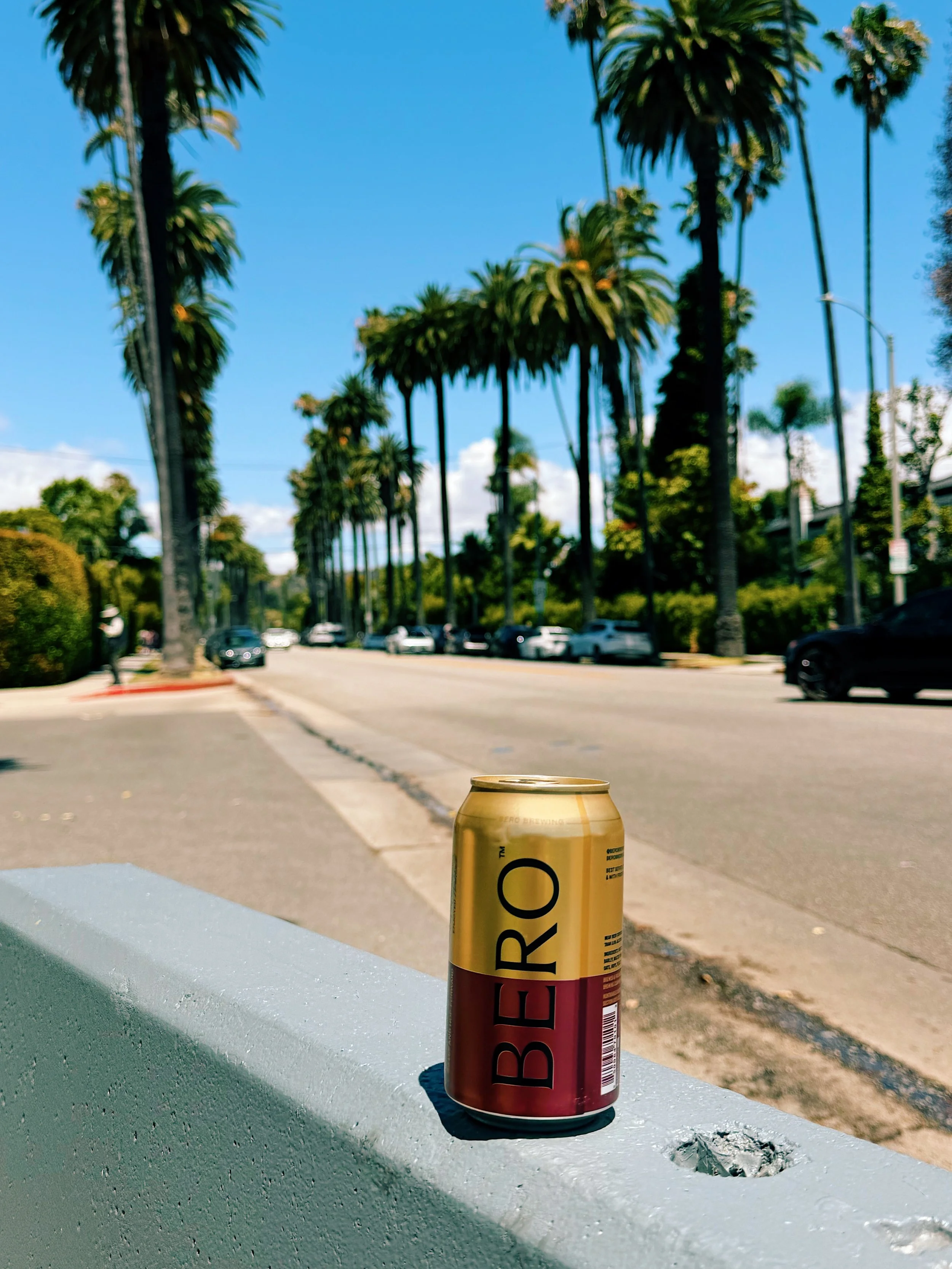
The connection with Tom Holland is obviously part of the appeal. He is one of the most recognisable actors in the world, and there are few better introductions a young drinks brand could ask for. But Bero has never felt like a product that simply borrowed a famous person's name. There is a genuine personal story behind it, and that gives the company something much more valuable than celebrity recognition alone.
Holland co-founded Bero after his own decision to stop drinking alcohol. Rather than simply looking for an existing alternative, he became interested in creating the kind of beer he would actually want to order himself. That idea has remained central to the brand, but Bero has since developed into something much broader: a polished, modern drinks company that understands the increasingly important relationship between what we drink and the environments in which we drink it.
And that is where Bero becomes particularly compelling.
The old image of an alcohol free drink was never especially glamorous. For years, ordering something without alcohol could feel like opting out of the occasion. You could still sit at the table, but the drink in front of you often seemed to belong to a different world. The industry has changed considerably since then. People are becoming more interested in moderation, flexibility and choice, while still wanting exceptional restaurants, beautiful hotels, great evenings and the social rituals that surround drinking.
Bero has arrived at precisely the right moment.
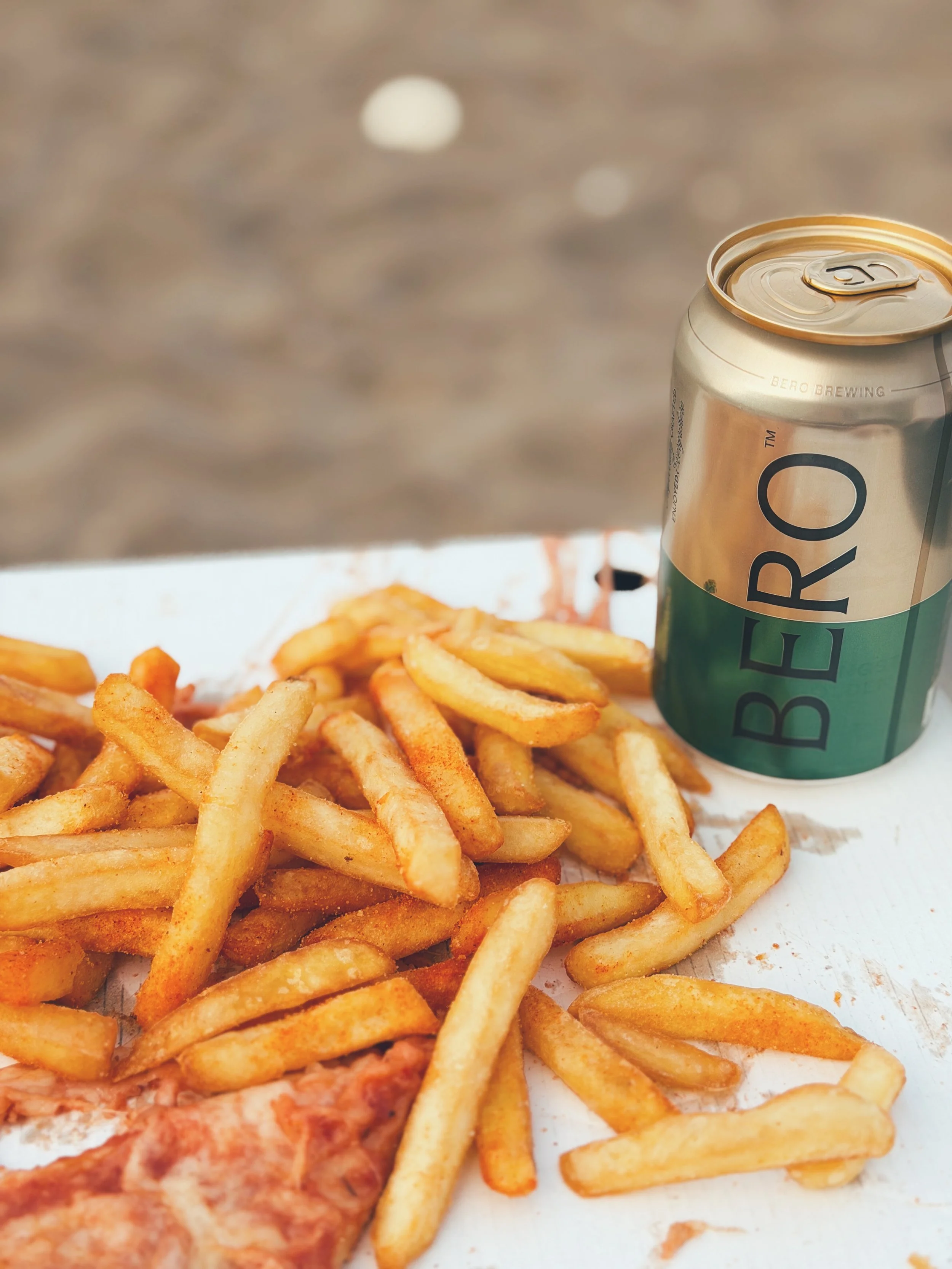
Its proposition is refreshingly uncomplicated. You do not need to identify as sober to drink it. You do not need to have sworn off alcohol forever. You do not need to explain your decision to anyone. You might simply want a beer that evening and not want the alcohol that usually comes with it.
That freedom is part of its appeal.
There is also a confidence to the way Bero presents itself. The branding is clean and considered, the packaging feels premium and the beers themselves have been developed as distinct styles rather than as one generic alcohol free alternative. Its range includes Kingston Golden Pils, Edge Hill Hazy IPA and Noon Wheat, alongside Double Tasty, a West Coast style IPA introduced as the company expanded its offering. By 2025, the brand was being sold through major retailers including Target, Sprouts and Total Wine, while also establishing a presence in bars, restaurants and Soho House locations in both the United States and United Kingdom.
That progression tells an important story.
Bero is not positioning itself simply as something you drink when you cannot drink something else. It is positioning itself as something you actively choose.
There is a considerable difference between those two ideas.
The most successful luxury brands have always understood the importance of choice. A great hotel does not tell you how to spend your evening. It gives you possibilities. You can order room service at midnight or have dinner in the restaurant. You can sit quietly in the lobby or spend the evening in the bar. You can have champagne, a cocktail, a coffee or something without alcohol altogether.
The experience should still feel complete.
Bero fits neatly into that philosophy.
It is particularly easy to imagine in the kind of places where we’d enjoying spending much of our time. Picture a beautifully designed hotel bar in London, a late afternoon in New York, a restaurant overlooking the Mediterranean, a weekend at a country hotel or a Formula 1 paddock where the atmosphere matters just as much as what happens on the track. The drink in your hand is part of the occasion, but it does not have to dictate what the occasion becomes.
That is a powerful position for a young brand to occupy.
It also explains why Bero's relationship with hospitality is so interesting. In 2026, Thompson Hotels announced a year-long collaboration with Bero that would bring the brand into its properties through Dry January events, activations and new product launches. Thompson's wider approach to its drinks programme reflects a broader shift in hospitality towards treating non-alcoholic options as part of the main experience rather than a separate category for guests who happen not to be drinking.
That is a significant change.
If you are staying at a beautiful hotel, the drink you order should feel like it belongs there. The glassware, the presentation, the menu, the surroundings and the service all contribute to the experience. A non-alcoholic beer should not suddenly make that experience feel less sophisticated.
Bero understands this unusually well.
It has also found an impressive setting for its ambitions through its association with Aston Martin. The partnership places Bero within a very different kind of luxury environment, alongside one of Britain's most recognisable automotive names. It is a relationship that makes sense precisely because neither company needs to explain itself through excess. Aston Martin has its design, engineering and heritage. Bero has its own approach to modern drinking. Both are selling a sense of occasion, albeit in very different ways.
That move into premium environments is important because it demonstrates how Bero wants to be perceived. This is not a brand attempting to make alcohol free beer feel worthy of consideration. It is trying to make the product naturally part of the lifestyle people already want.
The distinction is subtle, but it is everywhere.
You see it in the places Bero chooses to appear. You see it in the way the company presents itself. You see it in the partnerships it pursues. You see it in the decision to develop different beer styles rather than simply releasing one product and expecting the celebrity association to carry the business indefinitely.
Most importantly, you see it in the fact that the brand seems to understand that drinking is rarely just about drinking.
It is about being somewhere.
It is about who you are with.
It is about what you are celebrating, what you are watching, where you are travelling or how you want the evening to feel.
That is particularly relevant to younger consumers, but it is not limited to them. Research and industry reporting around the growth of non-alcoholic drinks has increasingly pointed towards moderation rather than complete abstinence as an important part of the market. The idea of alternating alcoholic and non-alcoholic drinks during an evening has even developed its own terminology, reflecting how much more flexible drinking habits have become.
Bero therefore does not need to convince everyone to stop drinking.
It simply needs to convince people that there are more interesting choices available.
That is a much easier proposition to understand.
And perhaps this is where Tom Holland's involvement becomes particularly clever. His personal story gives Bero an authentic beginning, but the brand has the opportunity to develop a personality of its own. The actor can introduce people to Bero, but the product ultimately has to earn its place in their fridge.
That is the point at which celebrity brands become genuine brands.
A famous face can generate curiosity. It can secure attention, press coverage and an enormous initial audience. But none of that guarantees that someone will buy the product a second time. The only way to achieve that is to make something people actually want.
Bero appears to be building around that principle.
Its expanding retail footprint, growing hospitality presence and increasingly ambitious partnerships suggest a company interested in creating longevity rather than simply enjoying the novelty of its founder. The presence at Soho House locations is particularly telling because that environment is not really about selling a drink in isolation. It is about placing the product within a particular social world.
That is precisely where Bero feels most at home.
It is a lifestyle product in the truest sense of the phrase.
Not because it tells you how to live, but because it understands the moments in which you might want it.
There is something quite appealing about that approach. We have become accustomed to brands telling us what we should want. Drink this because it is healthier. Buy this because it is sustainable. Wear this because it is fashionable. Visit this place because everyone else has.
Bero's proposition feels much less demanding.
Here is a good beer.
Enjoy it.
That is enough.
And perhaps that is why I personally enjoy the brand. There is no sense of compromise attached to it. You do not have to turn the decision into a statement. You can simply open a Bero, pour it into a glass and enjoy the same small ritual that has made beer such a fixture of social life for generations.
The absence of alcohol does not need to become the headline of the evening.
The beer can simply be the beer.
That is a surprisingly powerful idea.
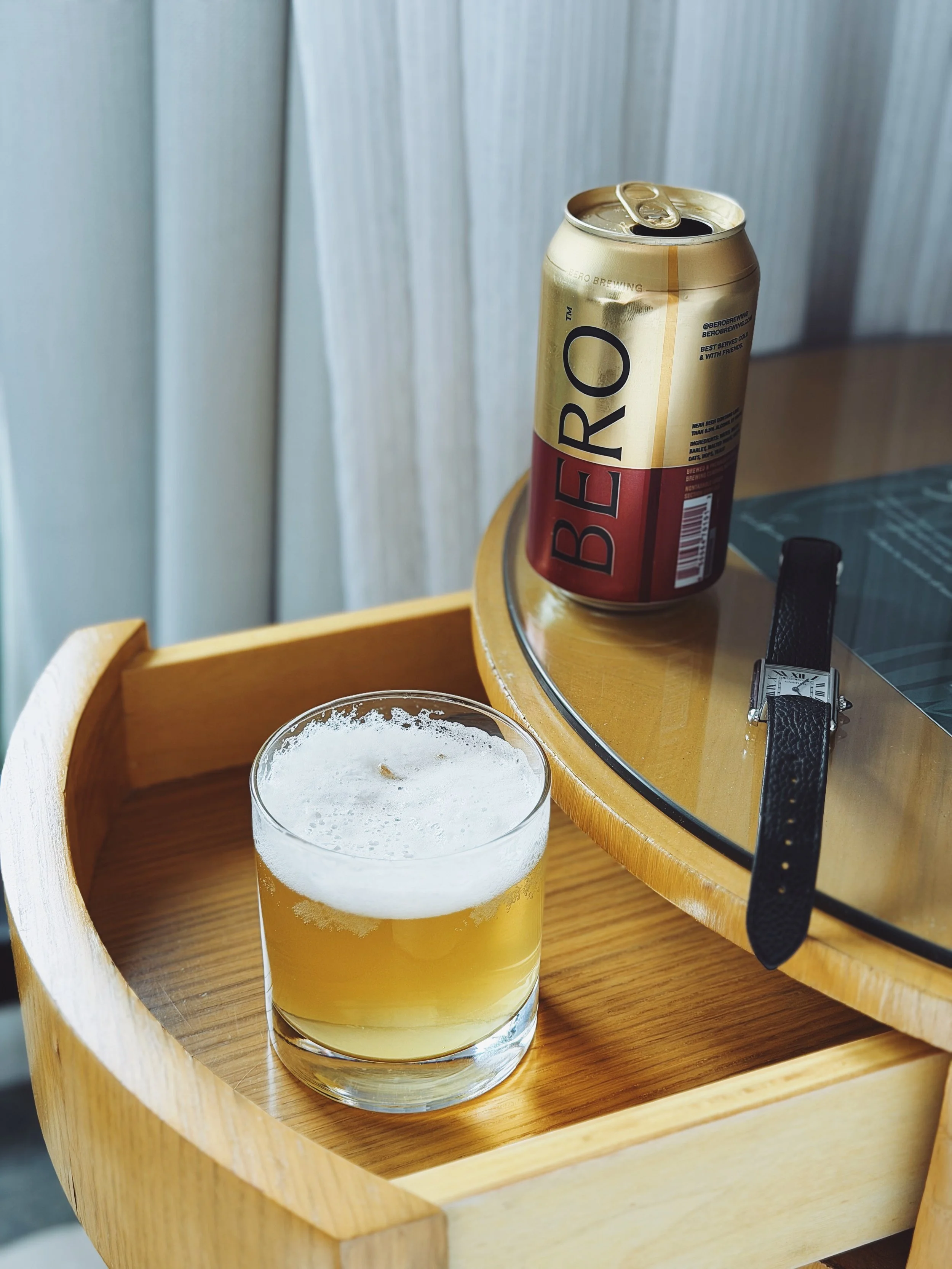
It also makes Bero an intriguing brand to watch as the luxury industry continues to change. The definition of luxury is becoming increasingly personal. It is less about everybody wanting the same things and more about having access to the things that make an individual experience feel right.
For one person, that might be a vintage Aston Martin.
For another, it might be a suite overlooking Manhattan.
For somebody else, it might be an exceptional meal followed by a cold beer without the alcohol.
There is room for all three.
Bero's achievement is recognising that the third option does not need to sit at the bottom of the hierarchy.
It can sit comfortably alongside everything else.
That is a particularly smart place for a brand to be.
Tom Holland has given Bero an extraordinary introduction to the world. His story gives the company authenticity, his audience gives it reach and his profile gives it an immediate cultural relevance that most new drinks brands could only dream of achieving.
But the more interesting story is what Bero does with that opportunity.
It is building relationships with hotels. It is entering premium hospitality. It is finding its way into major sporting environments. It is expanding its range. It is developing a visual identity that feels confident enough to stand without a celebrity photograph attached to it.
Little by little, Bero is becoming its own thing.
And that is the point at which this stops being simply a story about Tom Holland launching a beer.
It becomes a story about where drinking culture is going next.
The world is not suddenly going to stop drinking alcohol, nor does it need to. The more interesting future is one in which people have greater freedom to decide what they want, when they want it and why. A night out does not have to follow the same formula every time. A dinner does not have to begin with a cocktail. A hotel bar does not have to be defined by spirits. A celebration does not require everyone to drink the same thing.
Choice is becoming part of the experience.
Bero has understood that early.
That may ultimately be the reason the brand has such potential. It is not trying to make people feel different for choosing an alcohol free beer. It is making the choice feel completely normal, completely enjoyable and, increasingly, rather stylish.
And perhaps that is the most interesting thing about Bero.
Tom Holland may have started the conversation, but the brand is now having one of its own.
It is a conversation about taste, hospitality, design, modern luxury and the simple pleasure of enjoying a great drink in a great place.
That feels like a conversation worth having.
And for a brand that started with a very personal decision by one of the world's biggest actors, Bero has arrived at a rather remarkable place.
Find BERO in hotels, restaurants, bars and everywhere in between.